

Blog
Latest Innovations in Marine Automation Systems

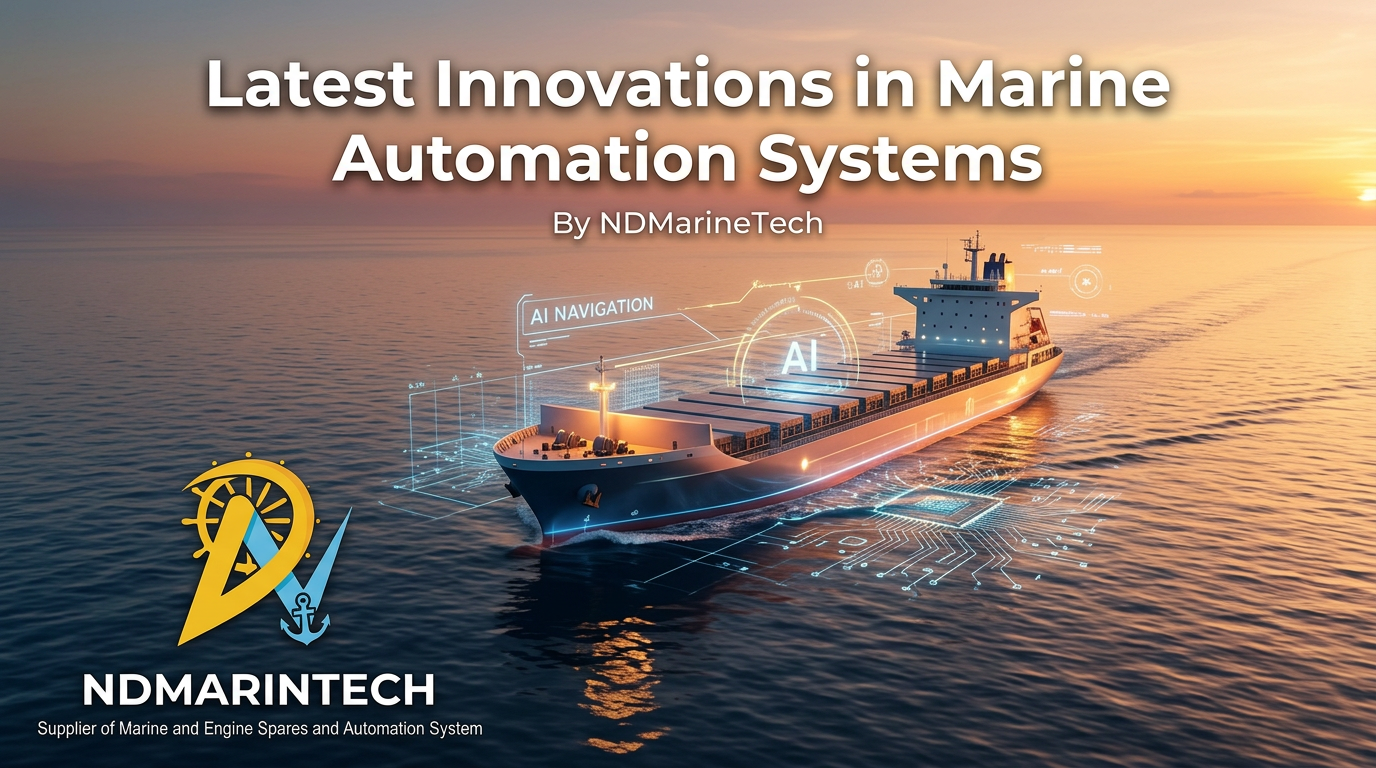
The newest innovations in marine automation systems are changing the maritime industry by using AI, digital twins, and autonomous technologies to make ships safer, more efficient, and more environmentally friendly. These improvements solve important problems like not having enough crew, rising fuel costs, and strict IMO rules. They make ships smarter and able to run with little human help. As a senior engineer and author of NdMarineTech.com, today we will talk about some of the latest innovations in the marine automation industry and the reasons behind them.
By Mr. Zainali Bhojani (CE)
What Are the Latest Innovations in Marine Automation Systems?
Marine automation systems are swiftly advancing to enhance the safety, intelligence, environmental sustainability, and autonomy of vessels. The latest technologies, including AI-driven navigation, digital twins, and remote operations, are transforming fleet management and maintenance.
Marine automation has evolved beyond mere alarm and monitoring systems; it is now integral to safety, efficiency, and regulatory compliance. Enhanced emission regulations, escalating fuel expenses, and personnel shortages are expediting the implementation of advanced automation technologies.
What are the reasons for such innovation?
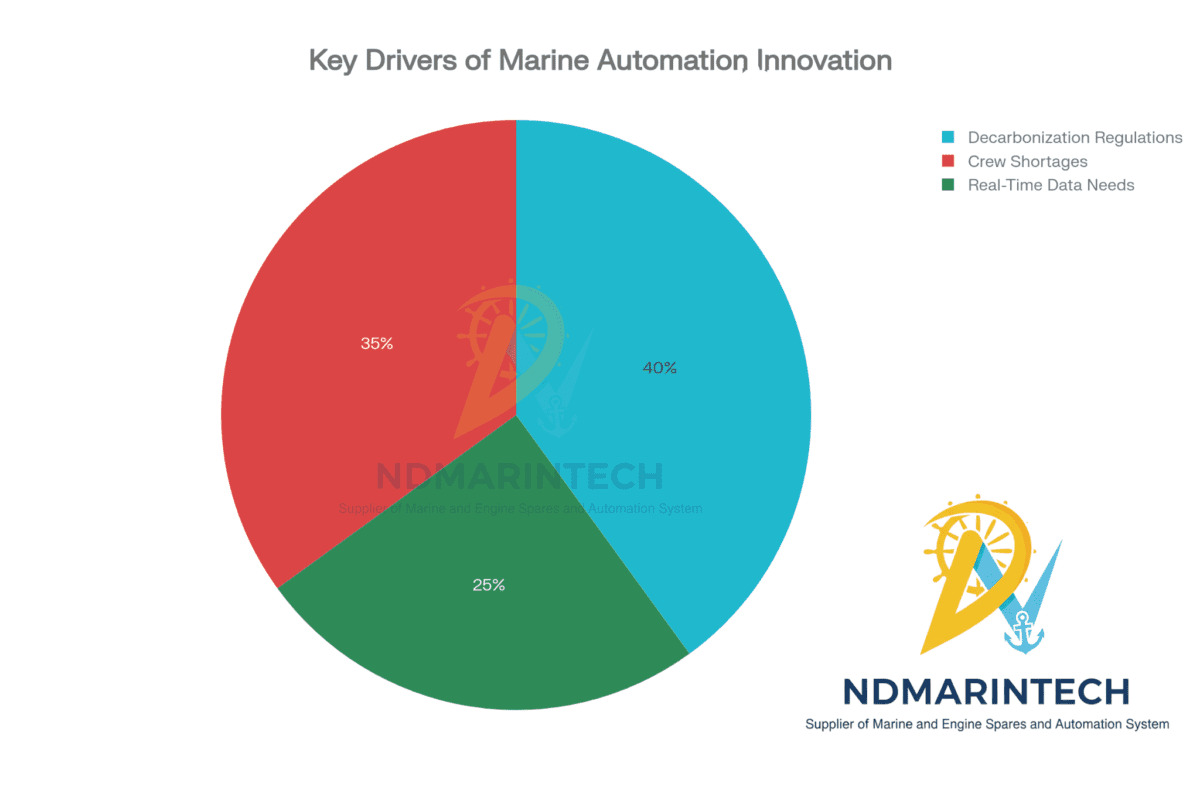
Although there are many reasons for innovation in marine automation, we will discuss the main 3 reasons at this time. If you want to know more, you can reach out to me through my bio profile attached at the end of this article.
1) Getting rid of carbon emissions and making IMO and regional emission rules stricter.
2) Call for fewer crew members and safer places to work.
3) Need for vessel data in real time to help make better decisions and cut down on costs.
Now, moving to the main part of innovation, Artificial Intelligence (AI), which is trending nowadays and also has a huge scope of innovations in the future. All marine automation technology manufacturers are adopting AI, which we will discuss too in this article.
AI, Smart Sensors and Advanced Navigation
The newest marine automation systems use AI and sensor fusion to give ships a 360-degree view of their surroundings.
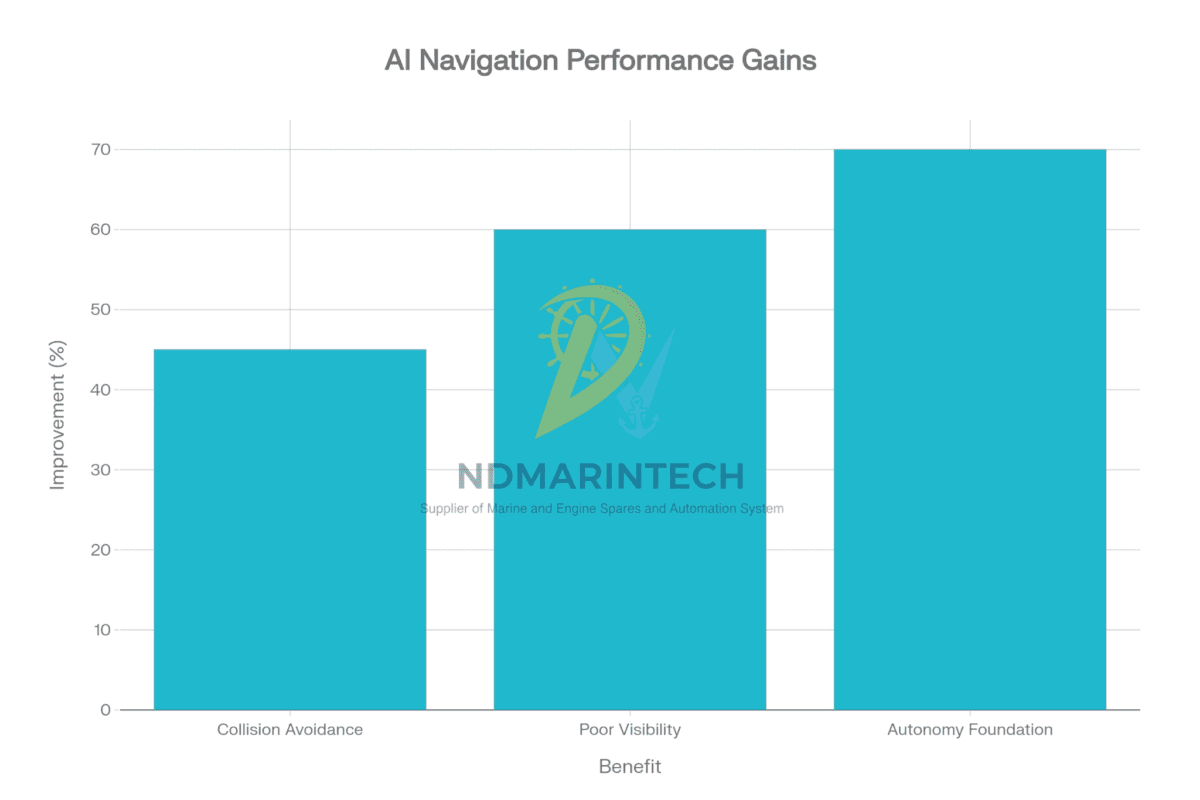
Multiple Sensor Perception and Sensor Fusion
Modern ships have an intelligent perception layer that combines radar, cameras, and lidar. This makes it easier to be aware of your surroundings in all situations. AI algorithms combine these streams of data from sensors to find and categorize obstacles, ships, and coastal features in real time.
Advantages for Navigation and Safety
- Enhanced collision avoidance and automated surveillance functionalities.
- Enhanced performance in low visibility, nocturnal operations, and congested waterways.
- Basis for advanced autonomous and supervised navigation modalities.
What is a digital twin of a ship?
A vessel digital twin is a living, data-driven copy of the real ship or subsystem that always shows the same state and behavior. It takes in real-time data from sensors on board, like vibration, pressure, temperature, and fuel flow, to simulate performance and guess what will happen in the future.
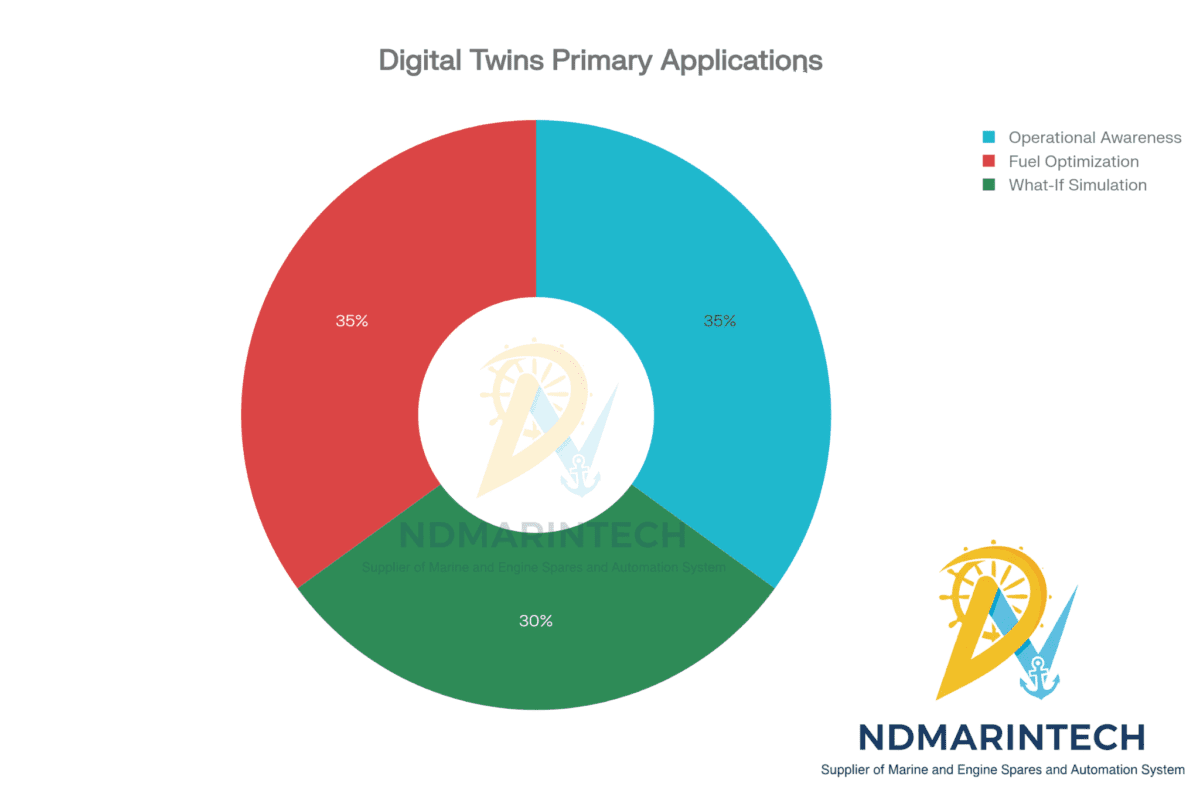
Uses of Digital Twins
-> Operational awareness in real time for teams on the bridge and at the shore.
-> Simulations of “what-if” situations for routing, speed, and load.
-> Getting the best fuel use and emissions across the whole lifecycle of the vessel.
Its advantages:
- Minimized unanticipated downtime and urgent repairs.
- Enhanced organization of dry-docking, spare components, and maintenance intervals.
- Reduced lifecycle expenses and enhanced safety in the operation of essential machinery.
Control from the shore and remote operations centers
Remote Operations Centers (ROCs) are becoming more popular as high-tech places to keep an eye on and manage fleets.
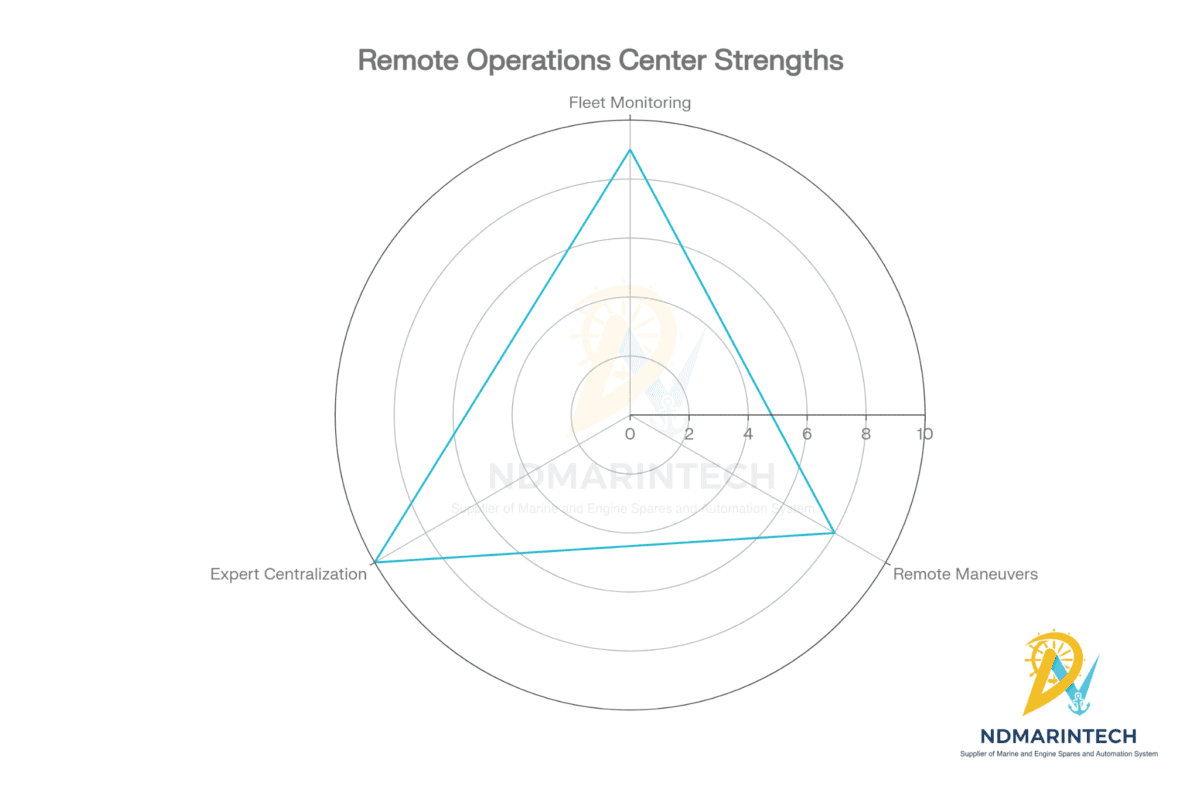
From control on board to supervision at the shore
Teams on land can get live data from navigation, power, and cargo systems on multiple vessels using satellite, 4G/5G, and dedicated links. Operators keep an eye on video feeds, alarms, and performance indicators and can step in, give advice, or control certain functions from afar when needed.
What ROC Can Do
- Monitoring the health and performance of the whole fleet in real time.
- Support from afar during tricky maneuvers like docking or moving through narrow channels.
- centralized knowledge, which made decisions better on many ships at once.
How it affects crewing and safety
ROCs work with onboard crews to keep or raise safety levels while reducing the number of people needed. They also make maritime jobs available on land that appeal to a new generation of sailors.
Autonomous and Semi-Autonomous Vessels
Autonomous and remotely operated vessels exemplify the pinnacle of marine automation integration currently.
Levels of Maritime Autonomy
Industry frameworks set out stages that go from helping with decisions to supervised autonomy and finally to full autonomy. Both supervised and fully autonomous modes can handle navigation and avoid collisions, with only human input needed when necessary.
Fundamental Technologies Facilitating Autonomy
- Artificial intelligence navigation and collision avoidance systems.
- Resilient communication and cybersecurity frameworks.
- Consolidated control platforms unifying propulsion, navigation, and power systems.
Practical Applications
Autonomous surface vessels currently assist in survey, inspection, and coastal transportation activities. Numerous commercial vessels are implementing partial autonomy for tasks including automated docking and sophisticated decision support on the bridge.
Prominent Producers in Marine Automation Systems
The marine automation industry is led by well-known brands that are experts in integrated control systems, propulsion, navigation, and energy management. These companies drive cutting-edge innovations through the use of AI, digital twins, and autonomous features that are made for commercial, naval, and offshore ships.
1) Kongsberg Maritime: Leader in Autonomous and Unified Control
Kongsberg Maritime specializes in comprehensive vessel integration, encompassing navigation, propulsion control, and automation systems. The K-Chief system consolidates all onboard equipment into a singular platform, thereby minimizing costs and human errors. Recent advancements encompass Remote Operating Centres (ROC) for satellite/5G-based shore vessel control, autocrossing for fuel-efficient ferry operations, and autodocking for accurate maneuvers.
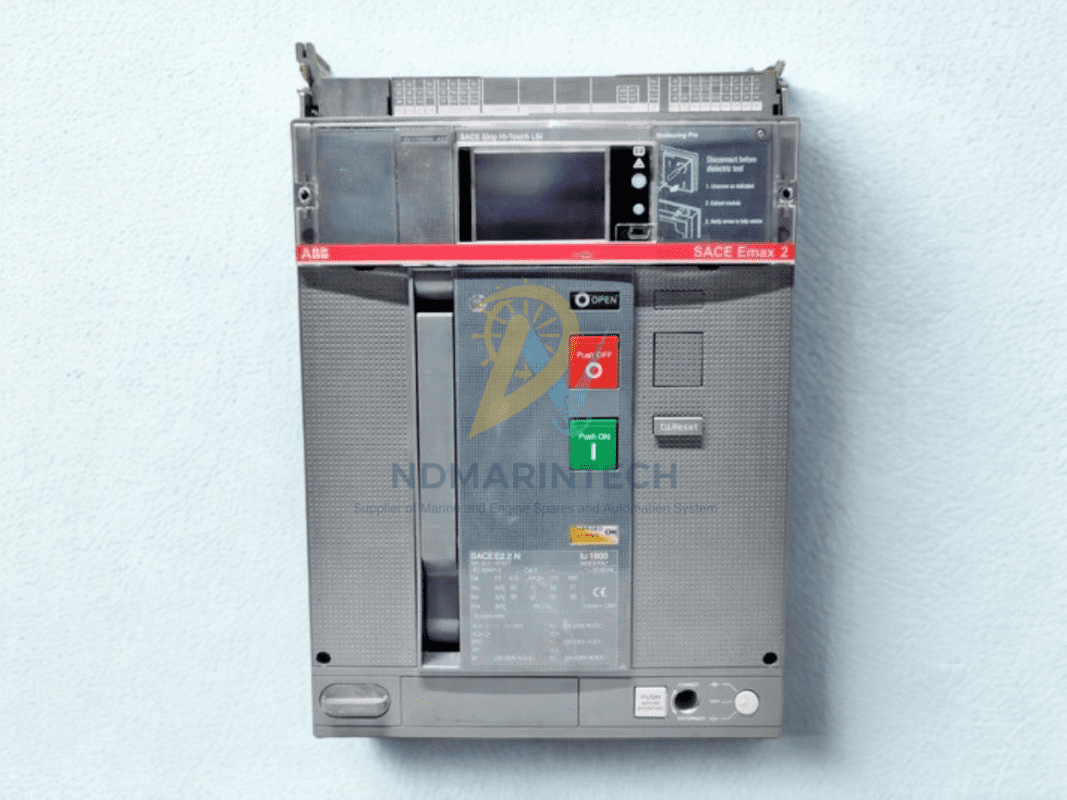
2) ABB: Innovator in Digital Integration and Electric Propulsion
ABB specializes in power management, propulsion, and cybersecurity within marine environments. The ABB Ability™ System 800xA offers a unified user interface for all maritime systems, incorporating advanced I/O and security functionalities. Recent innovations include automated Azipod® steering for enhanced efficiency, OCTOPUS predictive advisory for vessel motion forecasting, and cyber-secure remote access certification from DNV.
3) Wärtsilä: Expert in Comprehensive Voyage Automation
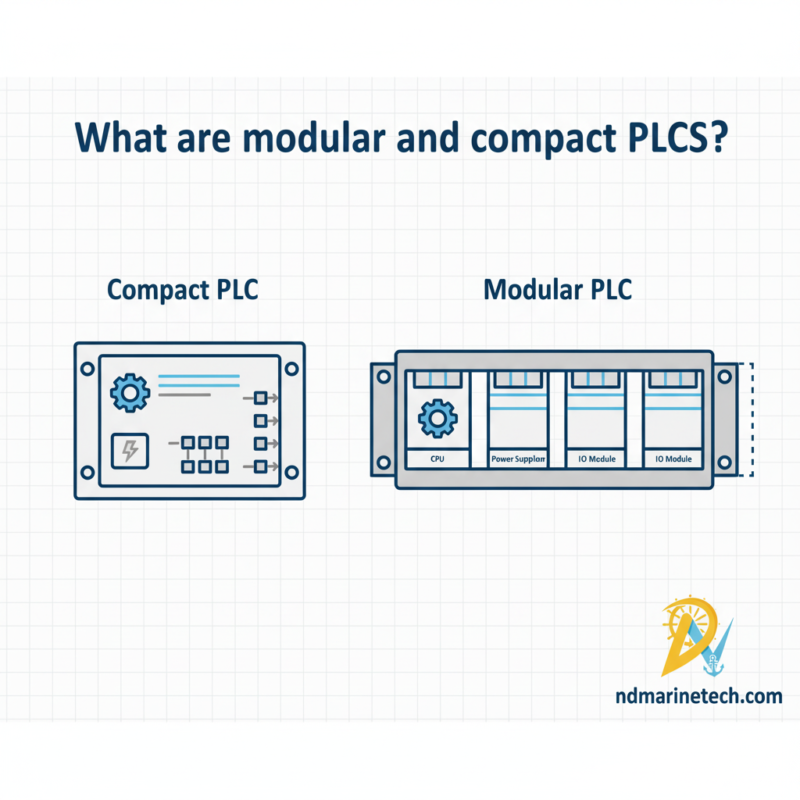
Wärtsilä specializes in alarm monitoring, process control, and ship-to-shore connectivity via NACOS Platinum systems. Their modular architecture incorporates sensors and external data for comprehensive oversight. Innovations encompass hot-swappable PLCs/I/O, cyber-secure cloud protocols (OPC, NMEA), and scalable solutions ranging from basic alarms to comprehensive fleet integration.
4) Rolls-Royce (mtu): Specialist in Intelligent Platform Management
Rolls-Royce excels in platform management and ship control for a variety of vessels, encompassing both naval and recreational crafts. The mtu NautIQ portfolio amalgamates subsystems into a cohesive intelligent system featuring lifecycle data analytics. Significant updates include NautIQ Bridge touchscreen interfaces, NautIQ Genoline NG for power optimization, and straightforward retrofits for legacy vessels.
5) Siemens: Consolidated Process Control Authority
Siemens Marine Solutions consolidates all onboard technical processes through standardized interfaces to facilitate prompt decision-making by the crew. They underscore performance and efficiency across various ship sizes. Recent advancements endorse sophisticated automation for optimal vessel functionality, while particular 2026 products underscore persistent improvements in cybersecurity and integration.
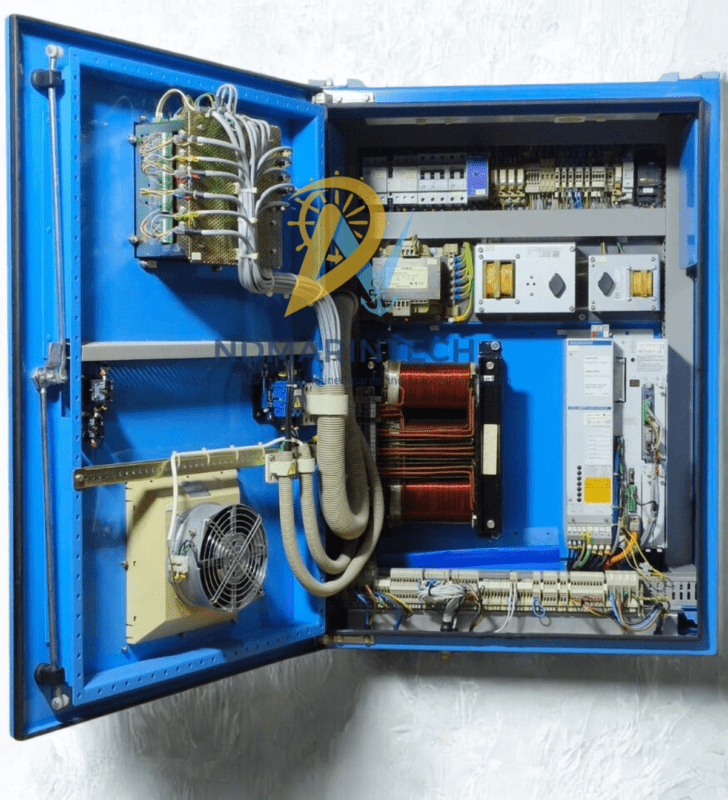
6) Schneider Electric: Safeguarded Energy and Power Optimization

Schneider Electric offers reliable power solutions for vessels and offshore installations, encompassing design to refurbishment. Expertise encompasses uninterruptible power supplies, cooling systems, and enclosures for marine durability. Innovations emphasize secure power management under unpredictable conditions, providing comprehensive lifecycle support for hybrid and electric systems.

Conclusion:
The newest developments in marine automation systems, such as AI-powered navigation, digital twins, autonomous ships, and green energy optimization, are changing how ships work in ways that have never been done before, making them safer, more efficient, and more environmentally friendly. As a global leader in the supply of marine automation systems, NDMarineTech gives shipowners and operators the latest control panels, PLC integrations, and custom solutions that make it easy to use these new technologies. This makes sure that fleets all over the world are compliant and perform at their best. In the future, the industry’s move toward fully connected, self-optimizing fleets that are ready for the autonomous era will be driven by partnerships between forward-thinking manufacturers and experienced suppliers like NDMarineTech.