


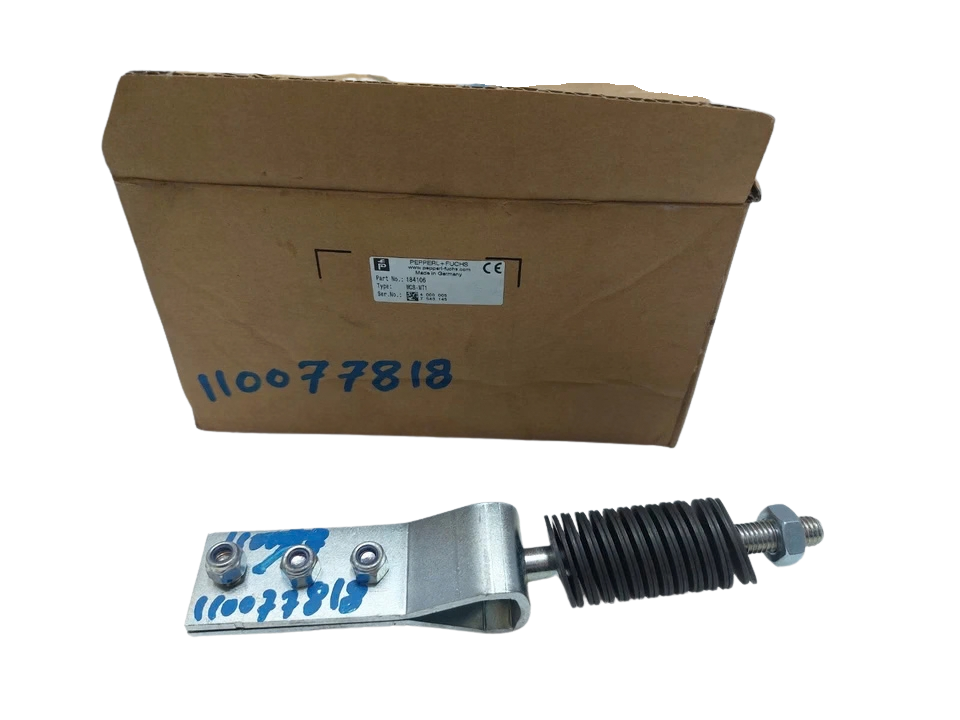
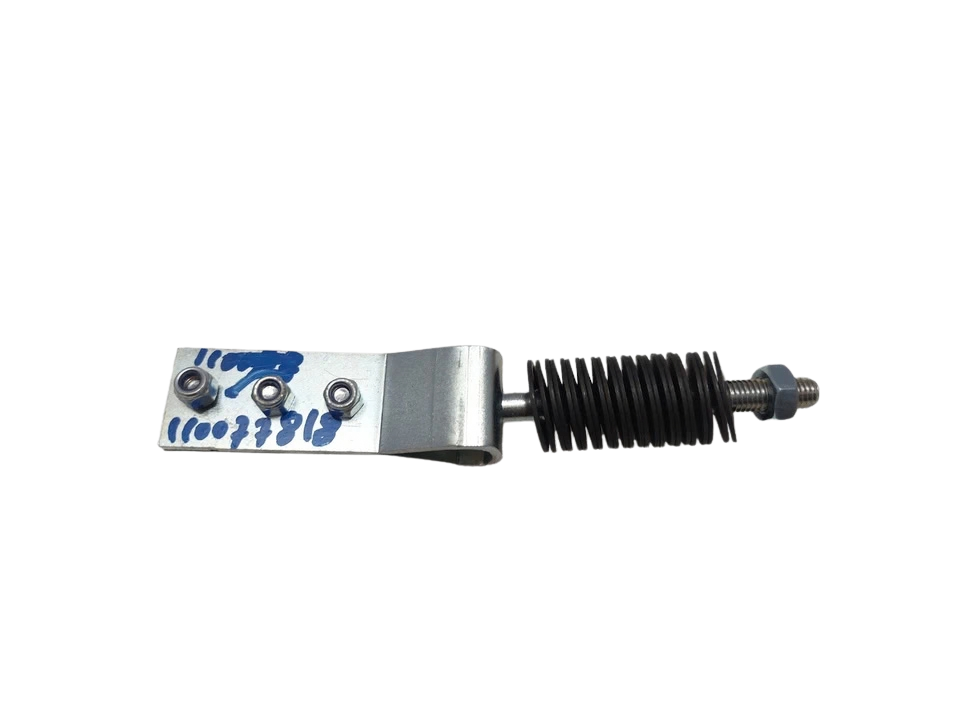
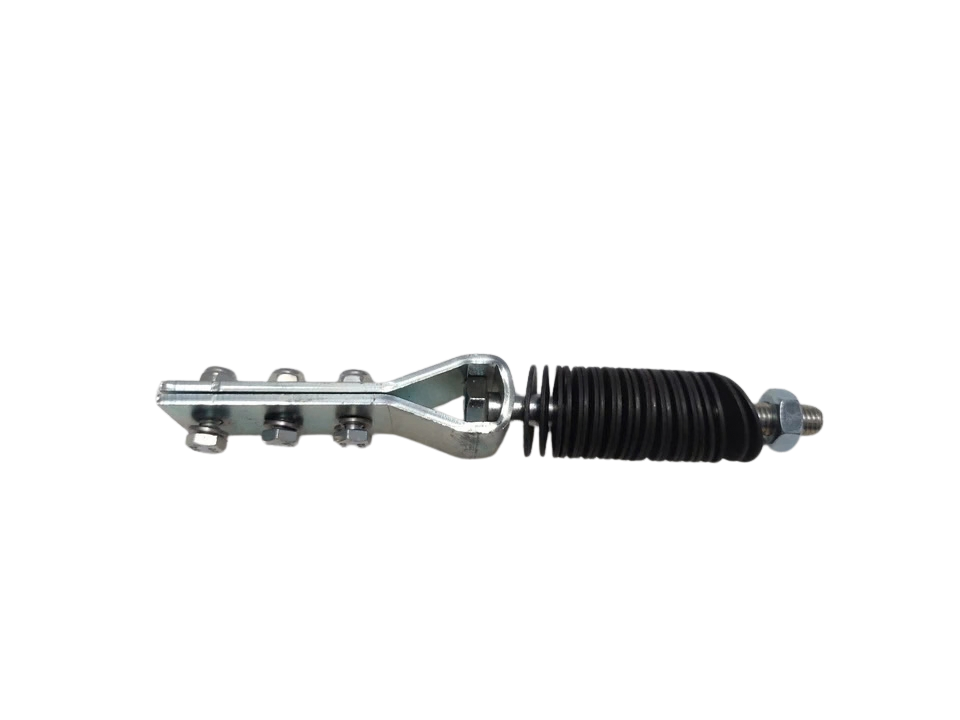
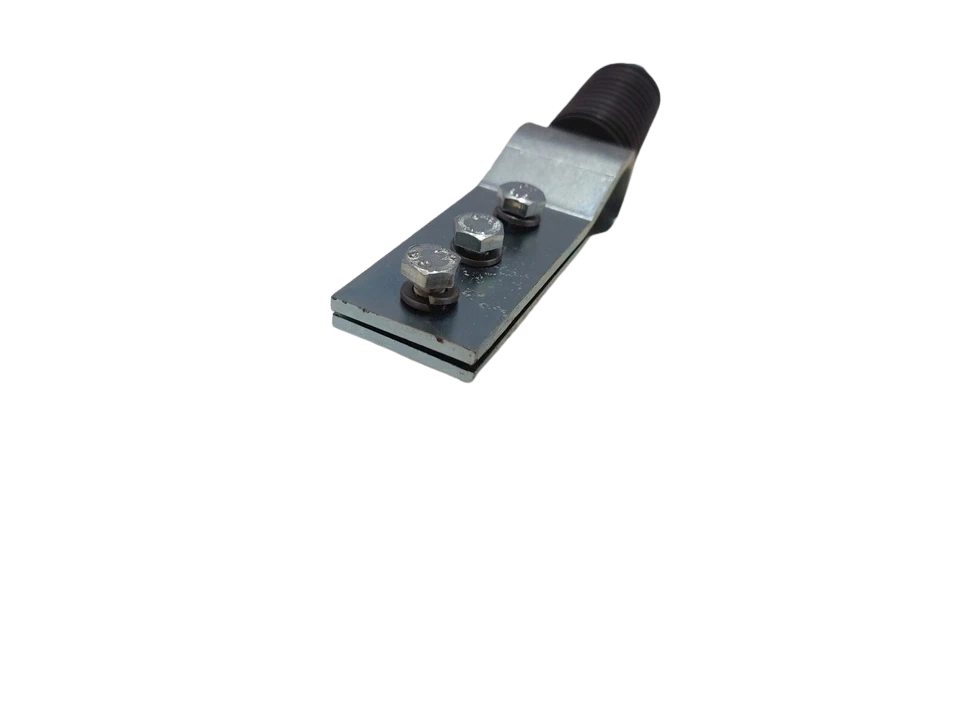
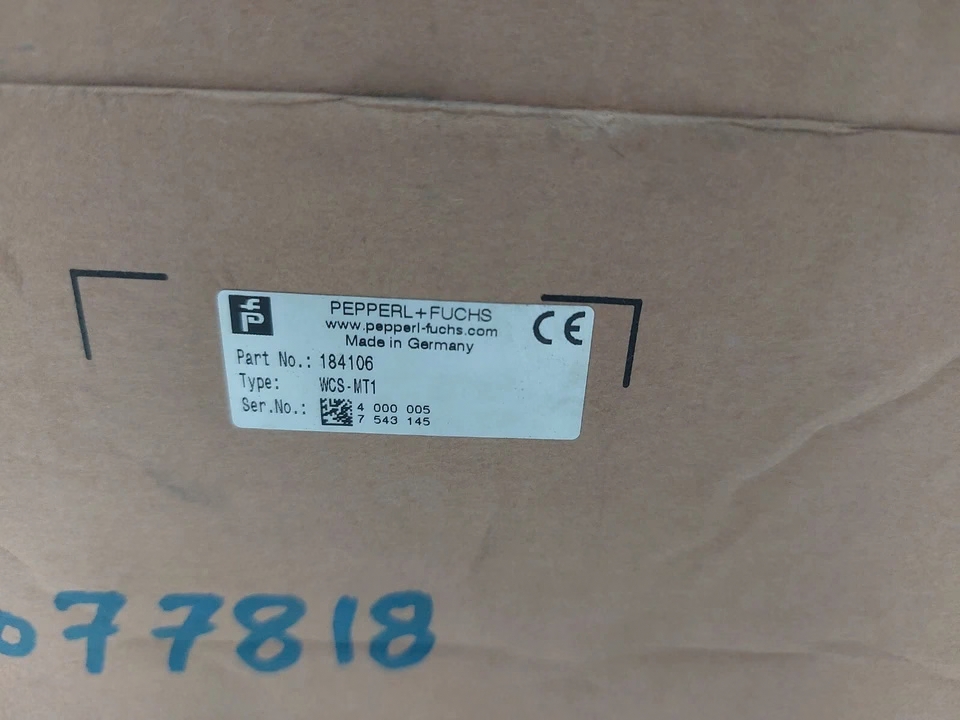




Pepperl+Fuchs 184106 WCS-MT1 Tensioning Device for Stainless Steel Code Rail
The Pepperl+Fuchs 184106 (Model: WCS-MT1) is a precision tensioning fixture engineered specifically for the Pepperl+Fuchs WCS (Position Encoding System) absolute optical linear track line. In industrial material handling, STS container gantry cranes, marine shipboard hoist systems, and Automated Guided Vehicle (AGV) tracks, maintaining thermal expansion control and longitudinal mechanical rigidity of the target code rail is critical.
The WCS-MT1 assembly anchors and maintains constant linear tension on stainless steel code rails (both 55 mm and 70 mm variants) across high mechanical stress and thermal variance (-40 °C to +100 °C). By counteracting temperature-induced rail sagging, vibration-induced distortion, and vertical catenary deflection, the WCS-MT1 prevents reading head misalignment and collision errors during high-speed scanner traversals (up to 12.5 m/s).
Model Details
- Brand: Pepperl+Fuchs
- Model Name / Type: WCS-MT1
- Part Number / MPN: 184106
- Product Group: Optical Linear Positioning Systems (WCS) / Mounting Hardware & Tensioning Units
- Sub-Class: Mechanical Rail Stabilizer / Tension Fixture
Technical Specifications
| Specification Parameter | Technical Value / Rating |
|---|---|
| Manufacturer | Pepperl+Fuchs SE |
| Part Number (MPN) | 184106 |
| Product Designation | WCS-MT1 |
| Function / Component Type | Tensioning Device / Clamping Fixture for Stainless Steel Code Rail |
| Operating Temperature Range | -40 °C to 100 °C (-40 °F to 212 °F) |
| Storage Temperature Range | -40 °C to 100 °C (-40 °F to 212 °F) |
| Material Composition | Corrosion-resistant steel, zinc-plated / passivated hardware |
| Mechanical Fastening Pitch | Adjustable clamp range: 240 mm to 264 mm |
| Compatible Rail Heights | 55 mm (WCS2) and 70 mm (WCS3) |
| Max Code Rail Tensile Load Allowed | Up to 4,500 N (depending on rail anchor configuration) |
| Net Weight / Mass | Approx. 0.414 kg (414 g) |
| Electrical Ratings / Terminal I/O | None (Passive mechanical clamping/tensioning fixture) |
Main Features
- High-Temperature & Marine-Grade Resilience: Operates reliably in ambient temperature regimes from -40 °C to +100 °C, resisting maritime salt air, thermal cycling, and aggressive dockside atmospheres.
- Robust Galvanized / Stainless Hardware Assembly: Structural components withstand rail pre-tensioning tensile ratings of up to 4500 N, preventing slippage under high carriage acceleration.
- Zero-Backlash Mechanical Fixation: Features heavy-gauge anchor brackets and dual-nut lock assemblies to prevent tension decay under sustained vibration.
- Passive Mechanical Design: Simple bolt-in integration requiring no electrical terminal bus, eliminating electronic failure vectors in outdoor and hazardous shore-to-ship crane installations.
Applications
- Quay Container Cranes (STS) & RMGs: Maintaining code rail tension across gantry long-travel distances subjected to marine salt air and strong crosswinds.
- Automated High-Bay Warehouses (AS/RS): Tensioning vertical and horizontal stainless steel code rails for high-velocity shuttle cars and stacker cranes.
- Automotive Conveyors & Paint Shops: Tracks with fluctuating ambient temperatures causing significant thermal expansion in metallic code rails.
- Electroplating & Chemical Facilities: Harsh atmospheric zones where polymer tracks degrade and tensioned stainless steel rails are mandatory.
Frequently Asked Questions
Can the WCS-MT1 be used with polyester laminate code rails?
No. The WCS-MT1 is explicitly manufactured for stainless steel code rails (WCS2-CS55-M1 and WCS3-CS70-M1). Polyester laminate rails have different tensile properties and must be mounted using compatible aluminum profile extrusions (WCS2-FT1 tooling) or designated guide segments.
How does the WCS-MT1 prevent read-head collision errors?
WCS optical reading heads operate with fixed vertical and horizontal air gaps (tolerance approx. ±5 mm to ±14 mm depending on model). If the steel rail slackens due to temperature rises, it sags out of the optical focal zone. The WCS-MT1 applies longitudinal counter-tension, keeping the rail taut within scanning tolerances.
Does the WCS-MT1 require electrical grounding?
While the tensioning unit itself is a passive mechanical bracket, electrical engineering best practices in crane and material handling environments dictate that the stainless steel code rail and supporting metal brackets are bonded to plant equipotential grounding to dissipate static charges induced by carriage movement.
How often should the tensioning unit be inspected?
In standard indoor warehouse setups, an annual visual inspection is sufficient. In marine environments (ship-to-shore cranes or offshore platforms), inspect the bracket hardware every 6 months to check for salt encrustation, bolt torque relaxation, and thermal shift limits.