


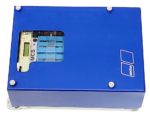


MTU X00036278 Marine Connection Interface
Condition: New – Open Box

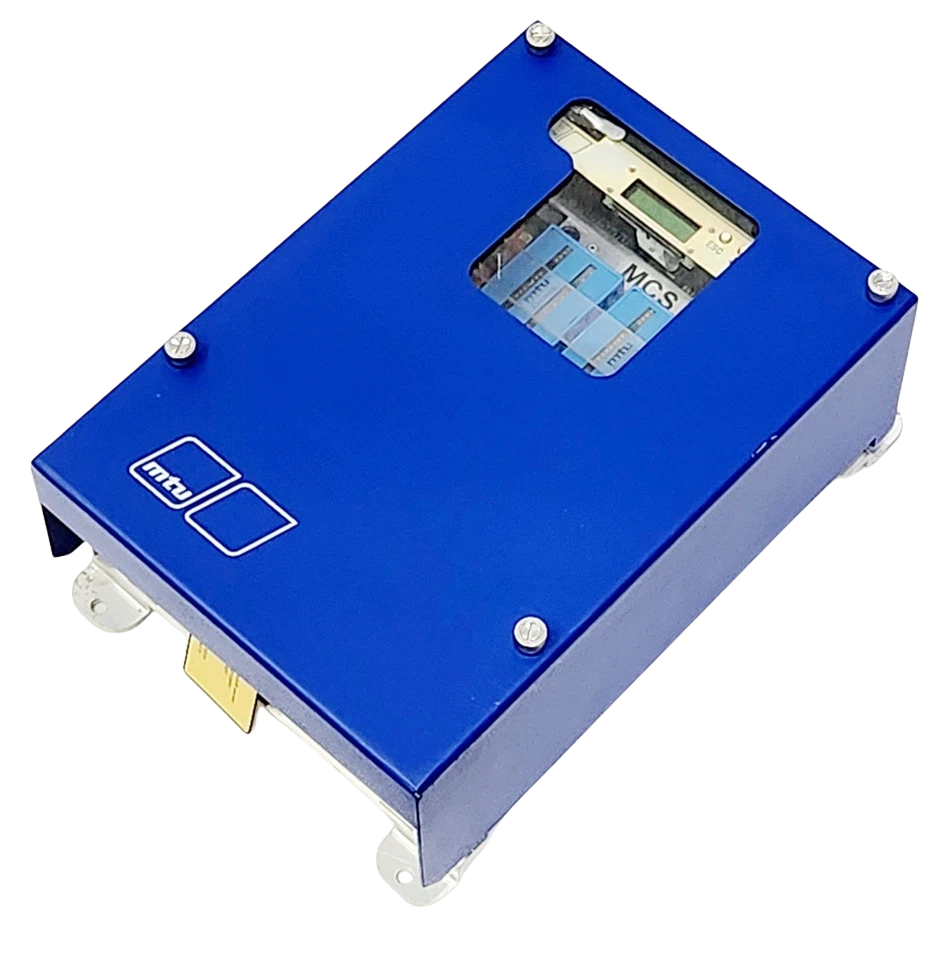
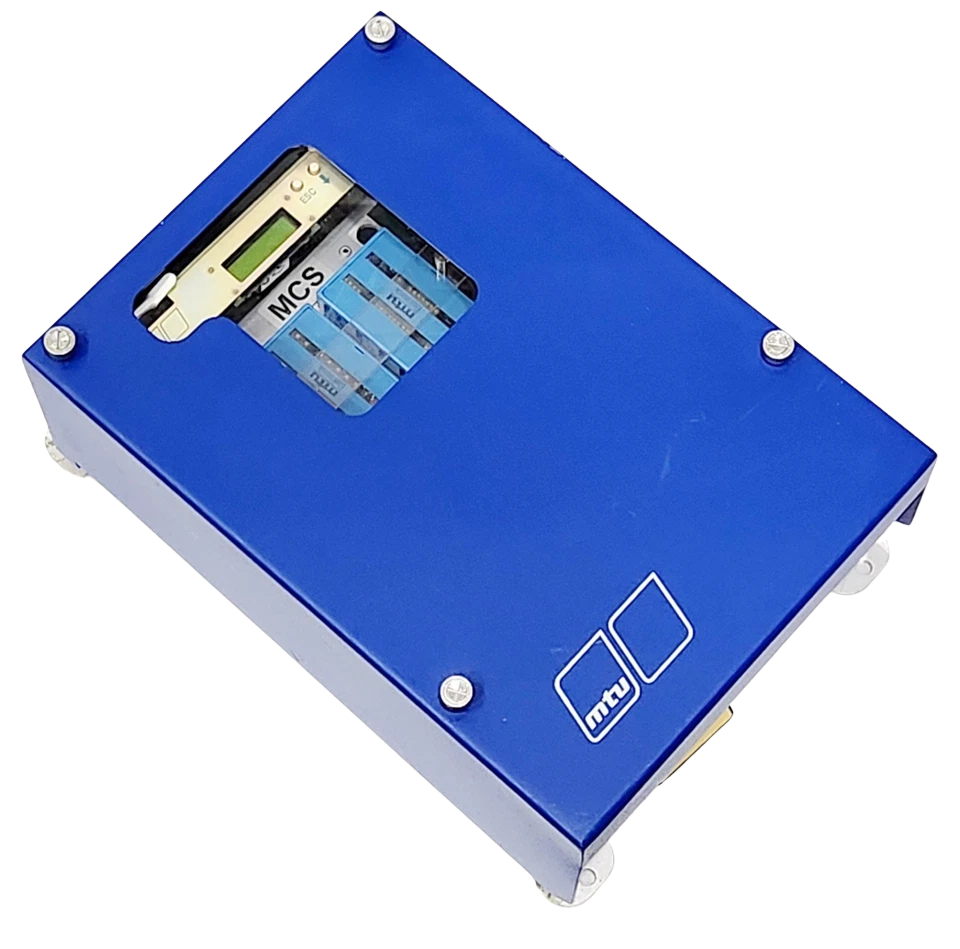
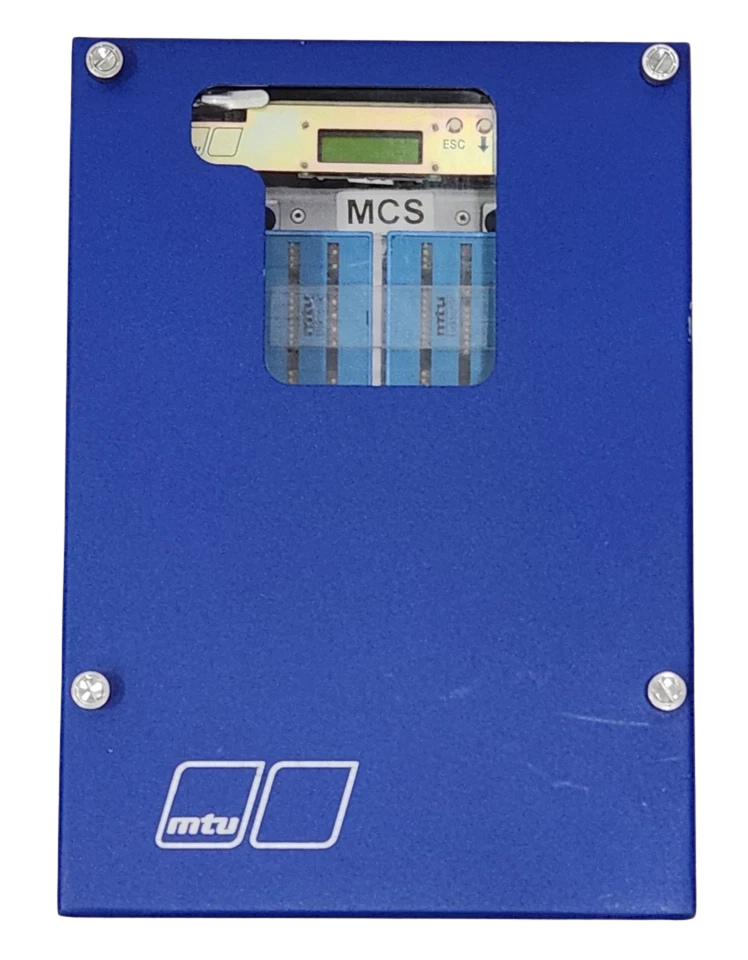
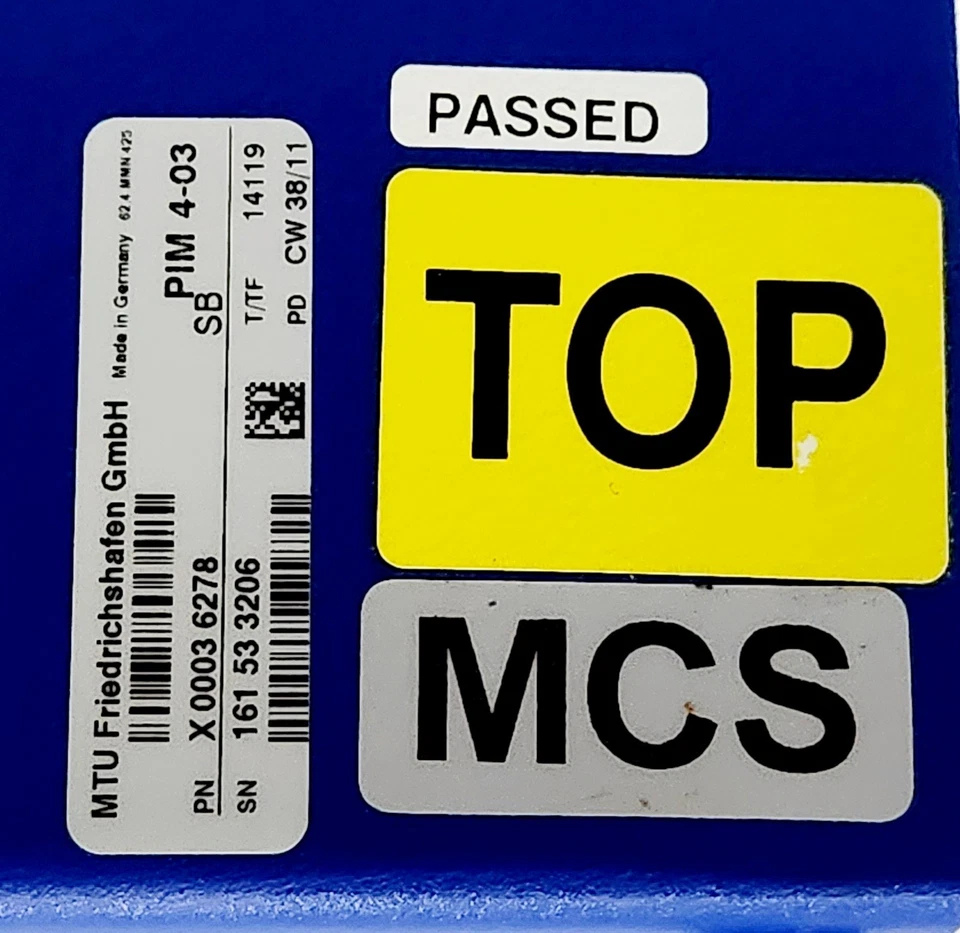
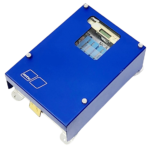
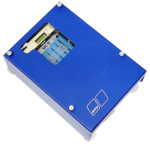
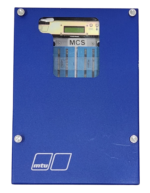
MTU X00036278 Marine Connection Interface Module
The MTU X00036278 Marine Connection Interface is an engine-to-bridge automation and signal-conditioning hub engineered by MTU Friedrichshafen for severe duty marine propulsion installations. Functioning within the architecture of MTU’s BlueLine (MCS-5, RCS-5) and early Blue Vision automation frameworks, the X00036278 bridges engine-mounted electronic management systems (such as ADEC and MDEC) with bridge control levers, remote operating stations, engine room auxiliary control panels, and vessel alarm/monitoring systems (AMS).
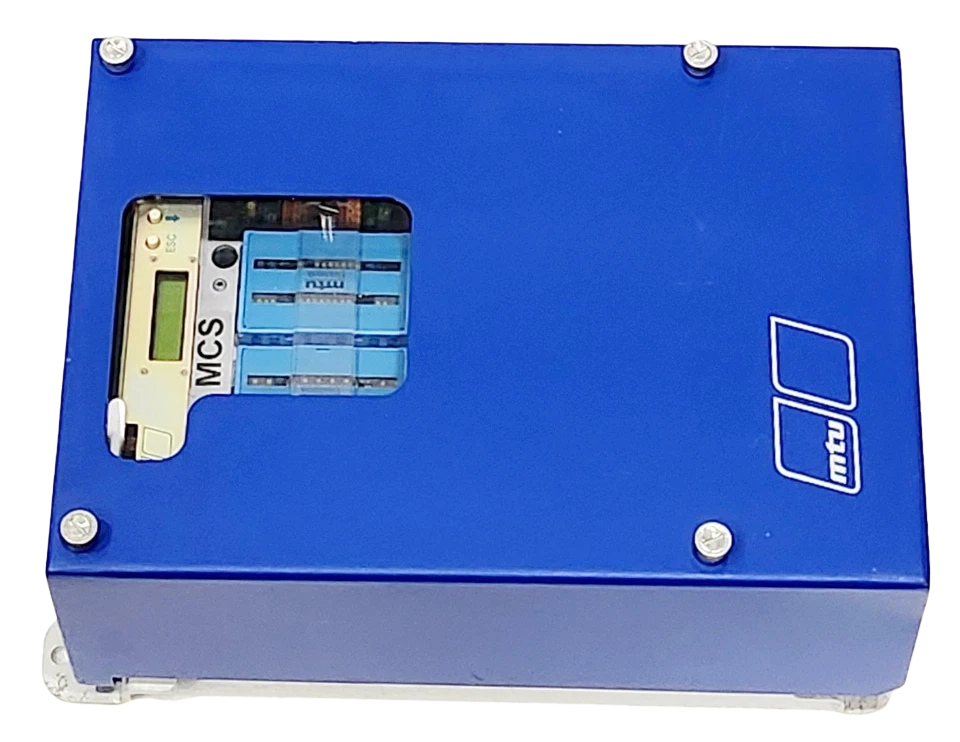
Housed in a vibration-damped, impact-resistant industrial polymer chassis (finished in MTU RAL 5015 blue), this unit isolates, conditions, and splits safety-critical propulsion data across redundant CAN bus channels. It eliminates common ground loops, resolves voltage spikes from engine-room auxiliary switchboards, and ensures clean control communication between wheelhouse levers and common-rail fuel management actuators.
Model Details:
- Product Type: Marine Connection Interface (MCI) / Peripheral Interface Module (PIM RCS)
- Manufacturer: MTU Friedrichshafen GmbH (Rolls-Royce Solutions)
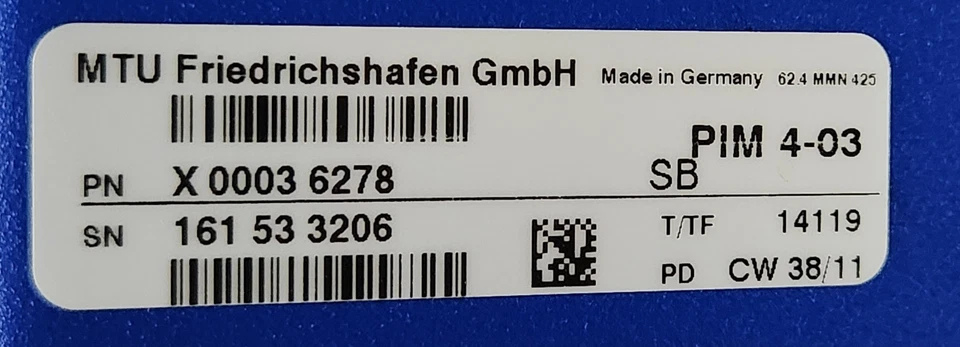
- Manufacturer Part Number (MPN): X00036278
- Cross-Referenced MTU Numbers: X00036274, X00021897, PIM-4 RCS Series
- Operating Logic: Solid-state micro-controller bus repeater and opto-isolated I/O distributor
- Primary Interface Function: Digital engine governor speed setting, clutch control solenoid commands, critical alarm signaling, and dual redundant CAN 2.0B network management.
Technical Details
| Parameter | Specification Details |
|---|---|
| Part Number (MPN) | X00036278 |
| Manufacturer | MTU Friedrichshafen GmbH |
| Nominal Supply Voltage | 24 V DC (Permissible range: 18 V DC to 32 V DC) |
| Power Consumption | Typical: ≤ 12 W | Peak transient: ≤ 24 W |
| Communication Interfaces | 3x CAN Bus (ISO 11898, CAN 2.0B 11/29-bit identifier support, 250 kbit/s standard) |
| Bus Termination | External 120 Ω jumper selectable / bridge-terminator support |
| Analog Inputs / Outputs | Configurable 4–20 mA loops (12-bit ADC), 0–10 V DC sensor reference taps |
| Digital Switching I/O | Optocoupled digital inputs (24V active-high), solid-state open-collector status outputs |
| Galvanic Isolation | 500 V DC between signal lines, chassis ground, and primary DC power input |
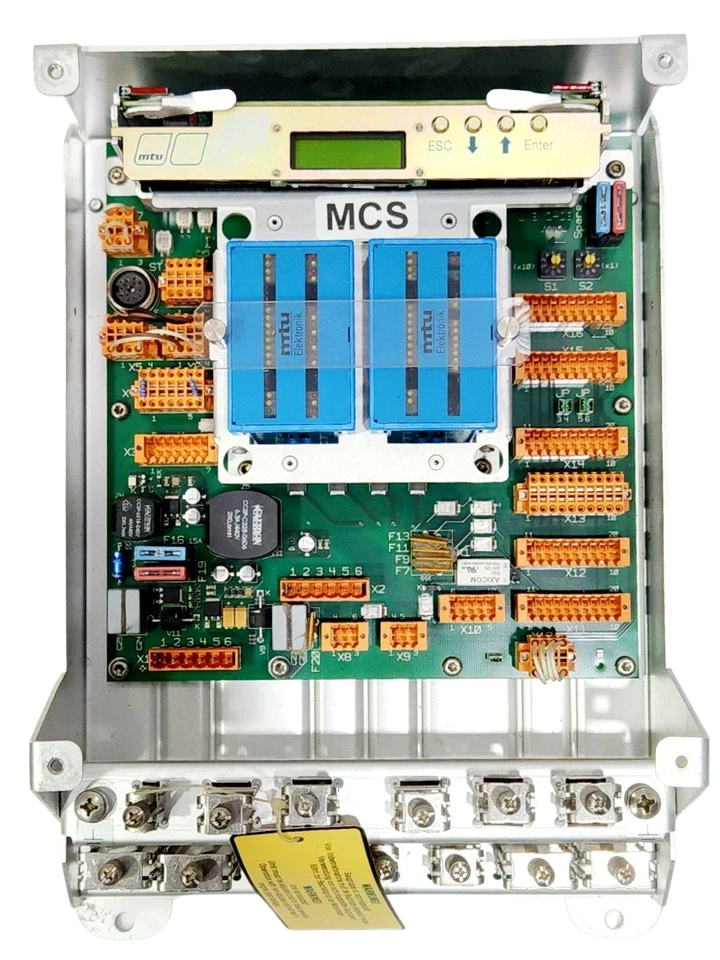
| Terminal Connection System | Modular cage-clamp spring terminals (5.08 mm pitch), supports 0.5–2.5 mm² (AWG 20–14) |
| Operating Temperature | -25 °C to +70 °C (-13 °F to +158 °F) |
| Storage Temperature | -40 °C to +85 °C (-40 °F to +185 °F) |
| Protection Class | IP20 (enclosure mounted within central switchgear or console cubicle) |
| Chassis Material | Reinforced Polycarbonate/PBT blend (Color: Blue RAL 5015) |
| Mounting Type | Direct rear bulkhead mount / DIN rail mounting bracket compatible |
Features
- Dual-Channel Optically Isolated Bus Architecture: Features galvanic isolation up to 500 V DC between engine room grounds, ship supply, and central processing circuits, preventing parasitic electromagnetic interference (EMI) from corrupting micro-signals.
- High-Speed Redundant CAN 2.0B Protocol Support: Operates ISO 11898-compliant multi-channel CAN bus links running dedicated proprietary MTU communication protocols for real-time telemetry and bridge command transfer.
- Plug-and-Secure Spring-Cage Terminal Design: Pre-coded connector arrays with tool-less spring-clamp terminals withstand sustained 4G vibration profiles without pin fretting or loosening.
- Integrated Safety & Emergency Engine Stop Circuits: Includes hardware-level hardwired bypass paths for emergency shutdown (ESD), engine trip override, and backup manual throttle control.
- Marine-Grade Thermal Dissipation Housing: Engineered with high-efficiency rear conduct-heat transfer backing plates to dump heat through cabinet structural bulkheads without internal cooling fans.
Applications
- Commercial High-Speed Ferries and Fast Crew Supplier (FCS) vessels.
- Mega-Yachts and Performance Motor Yachts with multiple control helms.
- Naval Patrol Craft and Offshore Patrol Vessels (OPV) requiring duplicated control bus lines.
- Marine Emergency Backup & Local Operating Panels (LOP) in machinery spaces.
- Engine-Room Bridge Interface retrofits replacing legacy analog governor wiring looms.
Frequently Asked Questions
What is the exact function of the MTU X00036278 Connection Interface?
The MTU X00036278 serves as an electrical and protocol gateway within MTU propulsion systems. It routes and translates commands between the bridge remote controls (RCS-5/Blue Vision), engine monitoring units (MCS-5), and the engine-mounted ADEC/MDEC control computers, handling signals for speed governing, transmission engagement, alarms, and emergency shut-offs.
Can the X00036278 be installed without MTU DiaSys software?
In standard 1-to-1 replacement scenarios where it replaces an identical hardware part in an existing BlueLine cabinet, the interface module acts primarily as hardware routing and bus isolation hardware. However, if your system configuration requires address indexing, node ID matching, or firmware alignment across multiple bridge stations, commissioning with the MTU DiaSys diagnostic tool is recommended to clear stored communication mismatch faults.
What are the symptoms of a failing MTU Connection Interface?
Common failure indications include random “CAN Bus Offline” alerts on the bridge display, lost lever synchronization between port and starboard control heads, uncommanded engine idle locks, failure of gearboxes to engage clutch solenoid circuits, and intermittent 24V automation supply trip codes.
How does the X00036278 handle galvanic isolation?
The module is designed with high-grade optical isolators providing up to 500 V DC isolation between the engine-side inputs, logic circuits, and vessel-side network lines. This prevents chassis potential variations and ground loops from damaging sensitive engine microchips.
Can this unit be repaired or reconditioned if damaged by a power surge?
Yes. If internal protective transient surge suppressors (TVS diodes) or optical coupler stages fail due to overvoltage, the unit can be rebuilt, refitted with automotive-grade micro-components, bench-tested under full CAN data loads, and recalibrated for active service.